



Introduction
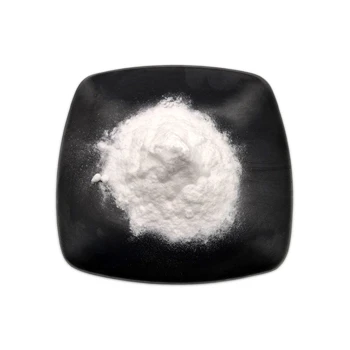
Sorbitol (D-Glucitol) is a sugar alcohol (polyol) that occurs naturally in various fruits, including apples, pears, cherries, plums, and berries. It is commercially produced by the catalytic hydrogenation of D-glucose, yielding a white, crystalline powder with a sweet, cool taste. Sorbitol is approximately 60% as sweet as sucrose. Still, it contains only about 2.6 calories per gram-one-third fewer calories than sugar-making it an ideal sugar substitute for reduced-calorie and sugar-free products.
Sorbitol has been safely used in processed foods for nearly half a century and is recognized as a multifunctional ingredient with exceptional versatility. Its unique properties include excellent humectancy (moisture retention), non-cariogenicity (does not promote tooth decay), low glycemic response, and the ability to function as a bulking agent, stabilizer, and texturizer. In the pharmaceutical industry, sorbitol serves as a premium excipient for direct compression tablet formulations, providing bulk, sweetness, and excellent flow properties.
Product Forms & Specifications
| Attribute | Food Grade (FCC) | Pharmaceutical Grade (USP/NF/Ph.Eur.) | Direct Compression Grade |
|---|---|---|---|
| Assay (D-Sorbitol) | ≥91.0% – 100.5% (anhydrous basis) | 97.0% – 100.5% (dried substance) | ≥98.0% |
| Appearance | White crystalline powder or granules | White crystalline powder or granules | White crystalline powder |
| Moisture Content | ≤1.0% | ≤1.0% | ≤1.0% |
| Reducing Sugars (as glucose) | ≤0.10% – ≤0.30% | ≤0.10% | ≤0.10% |
| Total Sugars | ≤0.30% | ≤1.0% | ≤1.0% |
| Residue on Ignition | ≤0.1% | ≤0.1% | ≤0.1% |
| Heavy Metals (as Pb) | ≤5 ppm | ≤10 ppm | ≤5 ppm |
| Lead (Pb) | ≤0.5 ppm | ≤1 ppm | ≤0.5 ppm |
| Arsenic (As) | ≤1 ppm | ≤1 ppm | ≤1 ppm |
| Nickel (Ni) | ≤1 ppm | ≤1 ppm | ≤1 ppm |
| Chlorides | ≤10 ppm | ≤50 ppm | ≤10 ppm |
| Sulphates | ≤20 ppm | ≤100 ppm | ≤20 ppm |
| pH (50% solution) | 5.0 – 7.0 | 5.0 – 7.0 | 5.0 – 7.0 |
| Specific Rotation | +4.0° to +7.0° | +4.0° to +7.0° | +4.0° to +7.0° |
| Particle Size | 20–40, 20–60, 60–80, 80–120 mesh | 20–60 mesh | 40–80 mesh (custom available) |
| Bulk Density | 0.5 – 0.7 g/mL | 0.5 – 0.7 g/mL | 0.5 – 0.7 g/mL |
| Primary Functions | Sweetener, humectant, texturizer, stabilizer | Excipient, diluent, tablet binder | Direct compression excipient, flow enhancer |
| Regulatory Status | GRAS (21 CFR 184.1835); E420 | USP-NF, Ph.Eur., BP, JP | USP-NF, Ph.Eur., BP |
| Best Applications | Confectionery, baked goods, beverages, seafood | Tablets, capsules, liquid formulations | Chewable tablets, direct compression formulations |
Sorbitol sweetener Benefits

Functional Benefits (Food & Beverage)
- Sugar Replacement: Provides 60% of the sweetness of sucrose with one-third fewer calories, ideal for sugar-free and reduced-calorie products.
- Moisture Retention: Excellent humectant properties prevent staling and maintain freshness in baked goods, confectionery, and seafood products.
- Texture Improvement: Functions as a texturizing agent, plasticizer, and crystallization inhibitor in confectionery and frozen desserts.
- Stability: Does not contain aldehyde groups, is not easily oxidized, and does not participate in Maillard browning reactions when heated with amino acids.
- Extended Shelf Life: Prevents drying and maintains product quality over extended storage periods.
Nutritional & Health Benefits
- Tooth-Friendly (Non-Cariogenic): Sorbitol is not metabolized by oral bacteria to produce acids, thus does not promote dental caries. The European regulation recognizes the nutritional benefits of polyols for maintenance of tooth mineralization.
- Low Glycemic Response: Sorbitol has a low glycemic index and does not cause significant spikes in blood glucose, making it suitable for diabetic and low-glycemic formulations.
- Reduced Caloric Intake: With one-third fewer calories than sugar, sorbitol supports weight management and reduced-calorie diets.
- Osmotic Hydration (Colon Health): At appropriate doses, sorbitol acts as an osmotic laxative, hydrating the colon.


Pharmaceutical Benefits (as Excipient)
- Excellent Flow Properties: Ensures uniform mixing and consistent tablet weight in direct compression.
- Pleasant Mouthfeel: Provides a sweet, cooling taste that masks unpleasant drug flavors, particularly in chewable tablets.
- Versatile Excipient: Functions as a diluent, binder, humectant, and plasticizer in various pharmaceutical formulations.
What is Sorbitol Used For?
Food & Beverage
- Confectionery: Sugar-free chewing gum, hard candies, chocolates, and mints
- Baked Goods: Bread, cakes, pastries, and cookies (moisture retention, anti-staling)
- Beverages: Fortified drinks, health beverages, and sugar-free formulations
- Dairy: Ice cream, frozen desserts, and yogurt
- Seafood: Moisture retention and preservation of seafood products
- Fruit Products: Jams, jellies, and preserves (stabilization, texture improvement)
Dietary Supplements
- Sweetener & Bulking Agent: Sugar-free supplement powders, chewable tablets, and lozenges
- Humectant: Maintains moisture in supplement powders and chewable formulations
Pharmaceuticals
- Tablet Excipient: Direct compression formulations, chewable tablets, and lozenges
- Diluent & Binder: Provides bulk and binding properties in tablet formulations
- Taste Masking: Masks bitter flavors of active pharmaceutical ingredients
- Laxative Preparations: Osmotic laxative formulations
Cosmetics & Personal Care
- Humectant: Toothpastes, mouthwashes, creams, lotions, and skincare products
- Glycerin Substitute: Provides humectant properties with a milder feel
- Texture Modifier: Improves sensory feel and stability of cosmetic formulations
Industrial Applications
- Vitamin C Synthesis: Key raw material for the production of vitamin C (ascorbic acid)
- Surfactant Production: Raw material for the production of Spans and Tweens (sorbitan esters)
- Polyurethane Foams: Raw material for flame-retardant polyurethane rigid foams
Frequently Asked Questions (FAQ)
Q: What is the difference between sorbitol powder and sorbitol solution?
A: Sorbitol powder is the crystalline, solid form of D-sorbitol, typically used in dry powder blends, tablet formulations, and applications requiring a solid bulking agent. Sorbitol solution (or syrup) is a 70% aqueous solution, commonly used in liquid formulations, confectionery, and cosmetic applications. Both forms share the same functional properties; the choice depends on the application and processing requirements.
Q: What is the recommended dosage for sorbitol as a food additive?
A: Sorbitol can be used in food products at levels consistent with Good Manufacturing Practice (GMP). The FDA has established that current GMP use results in a maximum level of 99% in hard candy and cough drops. For general food applications, usage levels typically range from 1% to 30% depending on the product type and desired functionality. Daily ingestion of 50 grams or more may produce a laxative effect.
Q: Is sorbitol safe for diabetics?
A: Yes. Sorbitol has a low glycemic index and is metabolized independently of insulin, making it suitable for diabetic and low-glycemic food products. However, individuals with diabetes should consult their healthcare provider before consuming products containing sugar alcohols.
Q: Is sorbitol safe for consumption?
A: Yes. The U.S. FDA has affirmed that sorbitol is GRAS (Generally Recognized as Safe) for human consumption. It is approved for use by the European Union (E420) and numerous countries worldwide, including Australia, Canada, and Japan. At low to moderate doses, sorbitol is well-tolerated. High doses (typically >50g/day) may cause osmotic diarrhea or flatulence in sensitive individuals.
Q: What is the difference between food grade, pharmaceutical grade, and direct compression grade sorbitol?
A: Food Grade (FCC) meets the requirements of the Food Chemical Codex and is suitable for all food, beverage, and nutritional supplement applications. Pharmaceutical Grade (USP/NF/Ph.Eur.) meets the stricter purity requirements of pharmacopoeias and is used as an excipient in drug formulations. Direct Compression Grade is specially processed to exhibit optimal flow properties and compressibility for tablet manufacturing via direct compression. The key differences lie in purity specifications, particle size distribution, and flow characteristics.
Q: What particle sizes are available?
A: We offer multiple particle size grades including 20–40 mesh, 20–60 mesh, 60–80 mesh, and 80–120 mesh. Custom sieve cuts are also available upon request. The choice of particle size affects flowability, compressibility, dusting, and mixing characteristics.
Why Choose Huilin Bio-Tech?
Your Professional Manufacturing & Sourcing Partner
We are more than a supplier - we are a comprehensive supply chain partner dedicated to high-quality ingredients, custom formulations, and finished products across multiple industries.
Professional Manufacturer: Xi'an Huilin Bio-tech Co., Ltd. is a high-tech biotechnology company specializing in the production, R&D, and export of natural botanical extracts.
Quality Assurance: Every batch undergoes rigorous testing for capsaicin content (HPLC), heavy metals (ICP-MS), and microbiological purity to ensure consistent quality and safety.
Flexible Specifications: We offer a wide range of specifications from 1% to 98% capsaicin content to meet diverse application requirements.
Customization Capabilities: We offer flexible packaging options and custom formulations to meet diverse customer requirements.
Supply Chain Reliability: With established supply chains and robust production capacity, we ensure timely delivery and stable supply for bulk orders.
Technical Support: Our experienced R&D team provides formulation guidance and technical support throughout your product development process.
Global Compliance: Products are manufactured in compliance with international quality standards and regulatory requirements.
For inquiries, quotations, or sample requests, please contact: sales@huilinbio-tech.com
References
1. U.S. Food and Drug Administration. 21 CFR 184.1835 – Sorbitol. Code of Federal Regulations. Sorbitol is affirmed as GRAS (Generally Recognized as Safe) for human consumption as a direct food substance.
Link: https://www.ecfr.gov/current/title-21/chapter-I/subchapter-B/part-184/subpart-B/section-184.1835
2. Health potential of polyols as sugar replacers, with emphasis on low glycaemic properties. PubMed. Polyols are non-cariogenic (sugar-free tooth-friendly), low-glycaemic (potentially helpful in diabetes and cardiovascular disease), low-energy and low-insulinaemic (potentially helpful in obesity), and low-digestible (potentially helpful in the colon) carbohydrates.
Link: https://pubmed.ncbi.nlm.nih.gov/19087388/
3. Sugar substitutes in the prevention of dental caries: review of the literature. PubMed. Sugar alcohols like xylitol and sorbitol have been shown to have a caries-inhibitory effect.
Link: https://pubmed.ncbi.nlm.nih.gov/1796084/
4. European Commission Regulation (EU) No 231/2012. Specifications for food additives – E 420 (i) Sorbitol. Assay: Content not less than 97% of total glycitols and not less than 91% of D-sorbitol on the anhydrous basis.
Link: https://eur-lex.europa.eu/eli/reg/2012/231/oj/eng
Hot Tags: sorbitol powder, China, suppliers, manufacturers, factory, wholesale, buy, price, bulk, pure, natural, high quality, in stock, for sale, Amino Acid, Chicory Inulin Powder, Mogrosides Monk Fruit, Stevioside Powder


