


A 24‑week randomized double‑blind placebo‑controlled trial shows that an aqueous extract from Coffea arabica pulp significantly lowers LDL cholesterol, triglycerides, and total cholesterol while raising HDL cholesterol, with additional benefits on weight and insulin resistance.
May 20, 2026 – A clinical trial published in Frontiers in Nutrition has found that an aqueous extract from Coffea arabica pulp (CPE) can improve lipid profiles, reduce body weight, and enhance insulin sensitivity in obese individuals with high cholesterol.
The burden of obesity and the need for natural options
Obesity is closely associated with dyslipidemia and chronic inflammation, increasing the risk of cardiovascular disease, metabolic syndrome, type 2 diabetes, and fatty liver disease. Lowering low‑density lipoprotein (LDL) cholesterol is a recognized strategy for reducing cardiovascular risk.
"Currently, there are various approaches for weight reduction, and the use of natural dietary supplements has become an increasingly popular option," the researchers noted. "Therefore, this study focuses on natural products to minimize potential side effects."
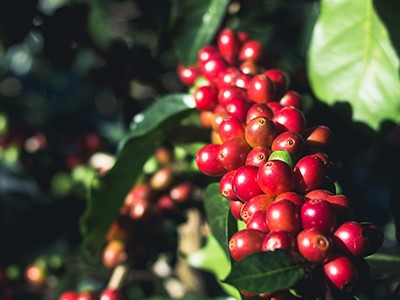
Arabica coffee pulp – the outer skin and mucilage removed during arabica coffee processing – is rich in bioactive compounds including chlorogenic acid, polyphenols, and caffeine, which exhibit anti‑inflammatory, antioxidant, and lipid‑lowering properties. While such compounds are also present in other coffee species (e.g., robusta), the clinical evidence to date is specific to arabica pulp extract.

Study design and key findings
The research team, led by Thai institutions, enrolled 79 obese adults (BMI ≥ 25 kg/m²) with elevated LDL cholesterol (≥130 mg/dL). Participants were randomly assigned to consume either 75 mL of arabica CPE product or a visually identical placebo twice daily for 24 weeks, alongside a calorie‑restricted diet and regular exercise.
The CPE product was heat‑treated to eliminate microorganisms while preserving bioactive compounds, and showed significantly higher levels of polyphenols, chlorogenic acid, and caffeine than the placebo, with strong antioxidant activity.
After 24 weeks, the arabica CPE group achieved:
- LDL cholesterol – reduced by 14.9% from baseline
- Triglycerides – reduced by 18.9%
- Total cholesterol – reduced by 8.0%
- HDL cholesterol – increased by 6.0%
After adjustment for baseline lipid values, the CPE group showed significantly greater reductions in total cholesterol (−6.3% vs. −2.4%, p = 0.048), LDL cholesterol (−13.7% vs. −7.1%, p = 0.01), and a near‑significant reduction in triglycerides (−12.5% vs. +1.17%, p = 0.078) compared to placebo. HDL cholesterol increased in the CPE group but decreased in the placebo group after adjustment (+7.1% vs. −5.0%, p < 0.0001).
Improvements were more pronounced in women and older participants. Additionally, the CPE group experienced small but statistically significant reductions in body weight, BMI, and waist circumference, along with improved insulin resistance (homeostatic model assessment of insulin resistance, HOMA‑IR, decreased by 16.7% from baseline) and stabilized blood glucose levels. In contrast, the placebo group showed less favorable metabolic changes. CPE did not significantly alter overall body fat distribution, and its anti‑inflammatory effects were modest, with significant improvement observed only for C‑reactive protein (CRP).

The illustrations in reference [1]
Proposed mechanisms of action
The researchers investigated mechanisms through in vitro experiments. They found that arabica CPE altered cholesterol behavior by increasing the size of cholesterol micelles, which may create steric hindrance to reduce intestinal cholesterol absorption, while selectively binding to certain bile acids, suggesting interference with cholesterol enterohepatic circulation.
The team proposes that arabica CPE's primary mechanism involves inhibiting intestinal cholesterol absorption by disrupting micelle formation, reducing bile acid binding, and potentially blocking NPC1L1 transport proteins in intestinal epithelial cells. The extract may also promote hepatic lipolysis and increase energy expenditure.
Unlike some existing lipid‑lowering products (such as red yeast rice supplements containing monacolin K), arabica CPE offers a potential advantage through its protective effects on the intestinal barrier, helping mitigate increased intestinal permeability caused by low‑grade inflammation.

The illustrations in reference [1]
Safety and outlook
The trial reported no differences in adverse events between the arabica CPE and placebo groups, indicating favorable tolerability over 24 weeks.
"CPE products rich in polyphenols and chlorogenic acids help improve blood lipid profiles in obese adults with hyperlipidemia, effectively lowering LDL cholesterol, total cholesterol, and triglycerides while raising HDL cholesterol," the researchers concluded.
They acknowledged limitations, including the relatively short treatment period, the small number of participants, and the exploratory nature of the study. Larger, longer‑term clinical studies are needed to confirm the long‑term safety and efficacy of arabica coffee pulp extract supplementation.
Reference
[1] Buranapin, S., Ontawong, A., Vaddhanaphuti, C., Inthaphan, S., Inchai, J., Saithong, S., Narkprasom, K., Fuangchoom, S., & Amonlerdpison, D. (2026). Potential lipid‑lowering effects of Coffea arabica pulp extract product in hyperlipidemia‑obese subjects: A randomized double‑blind placebo‑controlled trial. Frontiers in Nutrition, 13, 1755054. https://doi.org/10.3389/fnut.2026.1755054
Related Products from Our Collection
While the clinical evidence above is specific to Coffea arabica pulp extract, the bioactive compounds highlighted in the study-particularly chlorogenic acids and polyphenols-are also found in other high-quality botanical ingredients. Explore our selection of raw materials for functional food and supplement applications:
- Chlorogenic Acid Powder
- Green Coffee Bean Extract
- Green Tea Extract Powder
- Burdock Root Extract Powder
- Chicory Inulin Powder
- Coffee Fruit Extract
These products are not the same as the arabica pulp extract used in the cited trial and have not been clinically validated to replicate its specific outcomes.