



What Is Artesunate?
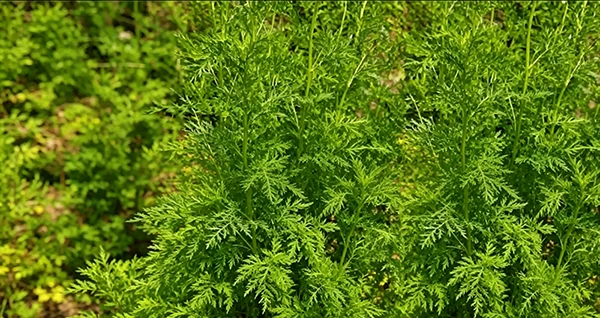
Artesunate (pronounced ar-TEE-sue-nate) is a medicine that comes from a plant called sweet wormwood (Artemisia annua). It belongs to a group of drugs called artemisinin derivatives, and it is one of the most powerful weapons we have against malaria - a disease caused by a tiny parasite that spreads through mosquito bites.
Scientists created artesunate to be better than the original artemisinin. Unlike artemisinin, which is hard for the body to absorb, artesunate dissolves easily in water. This means doctors can give it as an injection directly into a vein (IV) or muscle (IM), making it work much faster - which is exactly what you need when someone is very sick with malaria.
Once artesunate enters your body, it quickly turns into its active form, called dihydroartemisinin (DHA). DHA then goes to work killing the malaria parasites inside your red blood cells.
What Is Artesunate Used For?
Artesunate has one main job that saves lives every single day: treating severe malaria.
Severe malaria happens when the malaria parasite causes serious problems in the body, like organ failure, coma, or difficulty breathing. This condition kills hundreds of thousands of people every year, especially young children in Africa and other tropical regions. But artesunate has changed that.
A large study called the SEAQUAMAT trial compared artesunate to the older drug quinine. The results were remarkable: artesunate reduced the risk of death from severe malaria by about 35% compared to quinine. That is why the World Health Organization (WHO) now recommends injectable artesunate as the first-line treatment for severe malaria in adults, children, infants, and pregnant women in all trimesters.
But artesunate's uses don't stop at malaria. Scientists have discovered that artesunate may also have other interesting properties. Research has found that artesunate shows activity against certain types of cancer cells, some viruses, and even has anti-diabetic effects. However, these are still in the research stage - artesunate is not yet approved for treating these conditions. Its main job remains fighting malaria.
Artesunate is available in several forms: intravenous (IV) injection for severe cases, intramuscular (IM) injection for when IV access is difficult, oral tablets for follow-up treatment, and even rectal suppositories for emergency use before a patient can reach a hospital.
How Does Artesunate Work?
To understand how artesunate works, you need to know a little about the malaria parasite. The parasite lives inside your red blood cells and feeds on hemoglobin, the protein that carries oxygen. Hemoglobin contains iron, and inside that iron is something called heme.
When artesunate enters a red blood cell infected with the malaria parasite, it meets this heme. The two react together, creating tiny particles called free radicals. Think of free radicals as tiny explosions - they damage the parasite from the inside out, breaking it apart and killing it very quickly.
Artesunate works much faster than older malaria drugs. In fact, within the first 24 hours of treatment, artesunate can clear more than 90% of the parasites from your blood.
Another advantage of artesunate is that it kills the parasites during the stage of their life cycle when they are multiplying inside your red blood cells. This is why artesunate works so quickly and why it is so effective at saving lives in severe malaria cases.
How Many Doses of Artesunate Are Given?
- Severe malaria (injection): 2.4 mg/kg at 0, 12, and 24 hours, then once daily.
- Mild malaria (pills): Part of a 3‑day ACT course (once or twice daily).
- Emergency rectal: Single dose (age‑based) before reaching a hospital.
What Is the Difference Between Artemether and Artesunate?
Artemether and artesunate are cousins - both come from the same plant, and both are artemisinin derivatives. But they are not the same, and the differences matter.
Chemical Difference
- The main difference is in how they are made. Artesunate is water-soluble, which means it dissolves easily in water. Artemether is lipid-soluble, meaning it dissolves better in oils and fats.
- This might sound like a small detail, but it has big consequences for treatment.
Speed of Action
- Because artesunate is water-soluble, doctors can give it directly into a vein (IV). This gets the drug into the bloodstream instantly, leading to very high levels of the drug in the body very quickly.
- Artemether, on the other hand, is usually given as an intramuscular (IM) injection - into a muscle. This means the drug is absorbed more slowly.
Effectiveness in Severe Malaria
- Studies have shown that injectable artesunate is better than artemether for treating severe malaria. Research comparing the two found that artesunate cleared parasites more quickly. In fact, one study found that the odds of achieving a 90% reduction in parasites at 24 hours were about five times higher with artesunate compared to artemether.
- The WHO recommends artesunate as the first choice for severe malaria. Artemether is still used in some settings, but mainly when artesunate is not available.
Forms and Availability
- Artesunate: IV injection, IM injection, oral tablets, rectal suppositories
- Artemether: IM injection, oral tablets (usually combined with lumefantrine as Coartem)
The Bottom Line
If a patient has severe malaria, artesunate is the better choice. It works faster and has been shown to save more lives. If artesunate is not available, artemether is still much better than the old drug quinine. But whenever possible, doctors will choose artesunate for severe cases.
For uncomplicated malaria, both artesunate and artemether are used in combination therapies - artesunate with amodiaquine or pyronaridine, and artemether with lumefantrine (Coartem). Both are effective for milder malaria.
Side Effects of Artesunate
Artesunate is generally very safe, especially considering that it saves lives in dangerous situations. Most side effects are mild and go away on their own.
Common Side Effects
- Nausea and vomiting - Some people feel sick to their stomach. This is more common with oral artesunate.
- Dizziness or headache
- Abdominal pain
- Fatigue and weakness
Effect on Blood Cells
The most common lab finding with artesunate is a mild, temporary decrease in reticulocytes - these are young red blood cells. The body usually replaces them quickly after treatment ends.
Some studies have also noted a small decrease in hemoglobin (the protein in red blood cells that carries oxygen). This is usually not serious and resolves on its own.
Serious Side Effects (Rare)
Artesunate can rarely cause a condition called post-artesunate delayed hemolysis (PADH) . This is when red blood cells break down too quickly, happening about 1 to 4 weeks after treatment. It is more common in people who had very high numbers of parasites in their blood. Doctors monitor patients for signs of anemia after treatment.
Allergic Reactions
Allergic reactions to artesunate are rare but possible. Signs include rash, itching, swelling, or trouble breathing. If this happens, seek medical help immediately.
Safety in Special Populations
- Pregnancy: Injectable artesunate is safe and recommended for severe malaria in all trimesters. The benefit of saving the mother's life far outweighs any potential risk.
- Children: Artesunate is safe and effective for children. Pediatric doses are based on body weight.
- Liver or kidney disease: Artesunate can still be used, but doctors may monitor you more closely.
The Bottom Line on Safety
Artesunate has been used in millions of patients worldwide. When used correctly for malaria, its benefits are enormous - it saves lives. Most people tolerate it very well, and serious side effects are rare.
Who Should Not Take Artesunate?
There are very few people who cannot take artesunate. However, there are some important exceptions.
People with Known Allergy
If you have ever had a severe allergic reaction to artesunate or any other artemisinin drug (such as artemether or dihydroartemisinin), you should not take artesunate.
First Trimester of Pregnancy (for Uncomplicated Malaria)
For uncomplicated malaria in the first trimester, the WHO recommends caution with artesunate. While injectable artesunate is still used for severe malaria in pregnancy, for milder cases, doctors may consider alternative treatments.
People Taking Certain Medications
Artesunate can interact with some drugs. Always tell your doctor about all medications you are taking, including over-the-counter drugs and supplements.
When Is Artesunate Still Used Despite Concerns?
For severe malaria, almost no one is truly "not allowed" to take artesunate. Severe malaria is a life-threatening emergency. The WHO recommends artesunate for severe malaria in all patient groups, including pregnant women in all trimesters, infants, young children, and the elderly. When the alternative is death, artesunate is almost always the right choice.

Conclusion
Artesunate is truly one of the most important medicines of our time. It has transformed the treatment of severe malaria, cutting death rates by more than one-third compared to older drugs. It works quickly, is safe for nearly everyone, and can be given in multiple ways - IV, IM, oral, and even rectal - making it useful in hospitals, clinics, and even remote villages.
The science is clear: artesunate saves lives. The WHO recommends it as the first-line treatment for severe malaria worldwide. And for researchers and manufacturers, high-quality artesunate powder provides the foundation for life-saving medicines that reach millions of people every year.
Whether you are a healthcare professional treating a patient with severe malaria, a researcher exploring new uses for this remarkable compound, or a manufacturer producing essential medicines, artesunate is a drug you can trust.
References
[3] World Health Organization. Guidelines for malaria. Geneva: WHO; 2024. (Updated November 2024)
This article is for informational purposes only and does not constitute medical advice. Malaria is a medical emergency. Always seek immediate medical attention if you suspect malaria, and never self-treat with artesunate without a doctor's prescription.