





What Is Dihydroartemisinin?
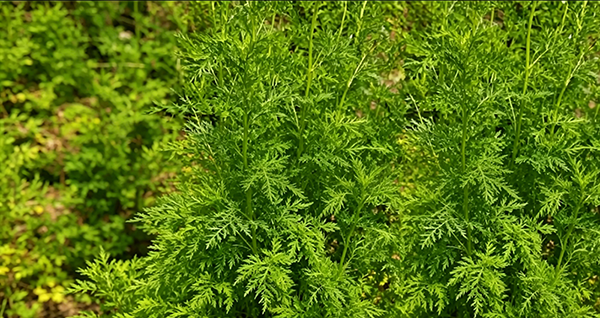
Dihydroartemisinin (or DHA for short) comes from a plant called sweet wormwood. It is the main active part of artemisinin, the malaria drug that won a Nobel Prize in 2015. DHA is one of the most powerful weapons we have against malaria. It works quickly and is used all over the world to treat people with this dangerous disease [7].
But scientists have discovered that DHA can do much more than fight malaria. Research shows it may also help against cancer, inflammation, and problems with the immune system [1]. Because it works in many different ways, DHA is becoming very interesting to doctors and researchers.
What Is the Function of Dihydroartemisinin?
DHA does many different jobs in the body. Here are the main ones.

Fighting malaria
Inside the malaria parasite, DHA meets a substance called heme (which contains iron). This meeting creates tiny "free radicals" - unstable molecules that damage the parasite from the inside and kill it quickly. DHA works against all types of malaria parasites, even the ones that have become resistant to other drugs [1].
Fighting cancer
A big review paper from 2025 explains that DHA can slow down or kill cancer cells in many ways. It stops cancer cells from growing, makes them die on their own (a process called apoptosis), prevents them from spreading to other parts of the body, and even cuts off their blood supply [1]. A 2024 study found that DHA kills prostate cancer cells by turning on certain stress signals inside the cells [2]. Another review from 2026 says DHA works very well when used together with standard cancer drugs [3].


Helping the immune system
A 2022 study in a top science journal showed that DHA can wake up certain immune cells called T cells. These cells help your body fight infections and even cancer [4]. A 2023 study found that DHA also helps calm down the immune system when it becomes too active, which is useful for diseases where the immune system attacks the body by mistake [5].
Reducing inflammation
Inflammation is the body's way of responding to injury or infection, but too much inflammation can cause problems like arthritis. DHA lowers inflammation by blocking certain signals inside cells. It has been shown to help with rheumatoid arthritis without causing noticeable side effects [1].
How to Take Dihydroartemisinin
For Malaria (Standard Use)
Doctors almost always give DHA together with another drug. The most common combination is DHA with a drug called piperaquine. For an adult with uncomplicated malaria, the usual dose is about 6.4 mg of DHA for every kilogram of body weight, given once a day for three days. DHA enters the bloodstream very quickly - it reaches its highest level about 1.2 hours after you take it [7].
For Investigational Uses
Some people try DHA for other reasons, such as helping with cancer treatment. There is no standard dose for these uses. Some studies have used between 100 mg and 200 mg per day. Some people take DHA for a few days, then take a break for a few days, then repeat. It is usually taken with food to help your stomach feel better.
Important reminder: DHA is only approved for malaria. Using it for anything else is still experimental. Always talk to a doctor before taking DHA.

Who Should Not Take Dihydroartemisinin?
Pregnant women (first three months)
DHA is not recommended during the first three months of pregnancy because studies in animals have shown that it could harm the developing baby [7]. However, if a pregnant woman has severe malaria and her life is in danger, doctors may still use it because saving her life is more important.
Breastfeeding mothers
DHA can pass into breast milk. It is better to be careful. Talk to your doctor before using DHA if you are breastfeeding.
People with severe liver or kidney disease
If your liver or kidneys do not work well, DHA may stay in your body longer than it should. Your doctor may need to adjust your dose or watch you more closely.
People with heart rhythm problems
When DHA is combined with piperaquine (a common combination for malaria), it can change the heart's electrical activity (called QT prolongation). People with certain heart conditions should be careful [7].
People who are allergic
If you have ever had an allergic reaction to artemisinin or any drug related to it, do not take DHA.

Can I Take Vitamin C with Dihydroartemisinin?
This is a good question, and the answer is not simple. A 2021 study examined how vitamin C and artemisinin interact. The study found that they compete with each other to attach to fatty molecules in cell membranes. This means that taking them together might change how DHA works [6].
Possible benefit: Some cancer doctors have suggested that taking DHA together with high doses of vitamin C might be helpful. Cancer cells often have more iron and are under more stress than normal cells. DHA needs iron to work, and vitamin C can increase stress on cancer cells. So together, they might kill cancer cells more effectively [1].
Possible risk: Vitamin C is also an antioxidant, which means it can neutralize the very stress that DHA uses to kill parasites and cancer cells. So vitamin C could make DHA less effective.
What to do: If you are taking DHA for malaria, avoid high-dose vitamin C unless your doctor tells you otherwise. For other uses, talk to a doctor who knows about these supplements.
Can I Take Dihydroartemisinin and Berberine Together?
Berberine is a natural compound found in plants like goldenseal and barberry. It has been used for infections and inflammation.
For malaria: Some patients have described mixing berberine with DHA to treat malaria. Berberine may help kill parasites and also calm the stomach, reducing nausea and diarrhea.
For cancer: Some research has looked at combining berberine, DHA, and curcumin (from turmeric) for certain types of ovarian cancer. Early results suggest this combination might work well together [3].
Be careful: Some drugs can change how the liver breaks down DHA, making it less effective. We do not yet know for sure whether berberine does this.
What to do: This combination sounds promising, but there is not enough human research yet. If you want to try it, talk to a doctor first.
What Are the Side Effects of Dihydroartemisinin?
Overall, DHA is very safe. Most people have only mild side effects, and they go away on their own.
Common side effects
- Upset stomach, nausea, vomiting, belly pain, diarrhea
- Headache and dizziness
- Feeling tired or weak [7]
Effect on blood cells
The most common change seen in blood tests is a mild drop in "reticulocytes" - these are young red blood cells. This drop is temporary and goes back to normal after treatment ends [7].
Concerns about the nervous system
Some animal studies using very high doses of DHA injected into the muscle showed damage to nerves. But these doses were much higher than what people take by mouth. When taken by mouth at normal doses, DHA has not been shown to cause nerve problems in humans [7].
Heart effects
DHA by itself does not affect the heart much. But when it is combined with piperaquine, some people may have changes in their heart rhythm (QT prolongation). This is mostly caused by piperaquine, not DHA.
The bottom line
DHA is a powerful drug with a very good safety record. Most people who take it feel fine, and the benefits are much greater than the risks - especially for life‑threatening diseases like malaria [1][7].
Why Choose Dihydroartemisinin Powder?
For companies and researchers who make supplements or study new medicines, high‑quality DHA powder has many advantages:
- Stable - it lasts longer than plain artemisinin
- Easy to absorb - your body uses it well
- Versatile - it can be used for malaria research, cancer studies, and immune health
- Safe - millions of people have taken it with few problems
- Effective - strong science supports its benefits
When you buy DHA powder, look for:
- A Certificate of Analysis showing at least 98% purity
- Tests for heavy metals and leftover solvents
- Microbiological tests (no harmful bacteria or mold)
- Stability information (how long it stays good)

Conclusion
Dihydroartemisinin is much more than just a malaria drug. It is a remarkable compound that can fight cancer, calm inflammation, and help the immune system - all while being very safe for most people. Research in top journals shows that DHA acts through multiple pathways, making it useful for a wide range of health problems. Whether you are a scientist looking for a powerful tool, a supplement maker searching for a science‑backed ingredient, or just someone curious about natural medicines, DHA is worth knowing about.
References
[7] World Health Organization. Guidelines for the Treatment of Malaria. 3rd ed. 2015.
This article is for information only. It is not medical advice. Always talk to a doctor before taking dihydroartemisinin or any supplement, especially if you have a health condition or take other medicines.