


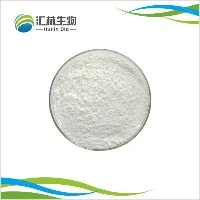
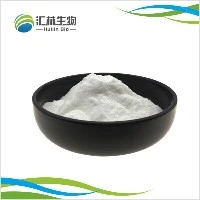

Extraction source of caffeic acid powder
Caffeic acid powder is an organic acid which can obtain yellow crystals from concentrated aqueous solutions and monohydrates from dilute aqueous solutions. This product is only partially soluble in cold water and can be completely dissolved in hot water and cold ethanol. It can be safely used in cosmetics and can also be used in pharmaceuticals so that this substance can be widely used in cosmetics, health products, and medicine.
Caffeic acid is mainly from the whole plant of goldenrod of Compositae, the fruit of Rosaceae, the red fruit of Rosaceae, Dodonea viscosa (L.) Jacq., Ranunculaceae rhizome, Eurasian water keel Pulypodium Rhizomes of vulgare L., Peel of Citrus limon Burm. of Rutaceae, Whole Herb of Polygonaceae, Roots of Valeriana officinalis, Lamiaceae Thymus vulgaris L. Whole Herb, and Eucommia A substance extracted from the leaves of Eucommiaulmoides Oliv., a plant of the family Eucommia ulmoides, from which it can be seen that caffeic acid is a ubiquitous ingredient in plants.
Product Name: | Caffeic Acid |
Appearance: | It turns orange in case of lye, irritating |
Density (g/mL, 25/4℃): | 1.478 |
Melting point (ºC): | 194-198 |
Boiling point (ºC, normal pressure): | 223~225 (dec) |
Flash point (ºC): | 220 |
Acidity of coffee
The most incorrect and misunderstood term used in the various evaluations of coffee taste is "acidity." The word is a quantitative term that refers to the relative strength of the acidic constituents in the liquid being assessed. However, although the coffee term "sour" is related to the taste term "acidic," the two terms are not interchangeable. In fact, coffee that is described as "very acidic" is not very acidic.
In chemical expression, "acid" is defined as a compound containing hydrogen atoms, which can release protons (hydrogen ions), and this compound can also be measured quantitatively. For food technicians, almost all beverages are acidic, and their relative strength is generally expressed in terms of pH, which can also be used to express the number of free hydrogen ions in the liquid.
The effect of caffeic acid
1. Has antibacterial and antiviral properties. It can effectively inhibit various bacteria, but the downside is that it can be inactivated by protein in the human body, and its antiviral activity has a particular inhibitory effect on vaccinia.
2. Anti-snake venom can be effectively made into an anti-venom agent.
3. It has an excellent antagonistic effect and has a good impact on shortening blood coagulation and bleeding time.
 |  |
4. Caffeic acid powder can be used to stop bleeding, which can effectively improve blood coagulation factors, increase white blood cells and platelets, and can prevent bleeding or stop bleeding.
5. This product is a phenolic acid compound naturally present in plants, a good antioxidant, and a natural dietary phenolic compound.
6. It has an excellent inhibitory effect on immune regulation, inflammation, and allergy.
7. Can effectively protect against cardiovascular disease.
8. It Can reduce blood lipids and blood sugar and improve the body's immune regulation.
 |
Types of caffeic acid
Coffee is rich in various acids, most of which can also be found in some other agricultural products. This acid also includes amino acids, such as glutamic acid; carbolic acid, such as caffeic acid; fatty acids, such as acetic acid, lactic acid, citric acid, etc. Generally speaking, from a tasting point of view, if the concentration of amino acids exceeds the normal value, it will produce a sweet taste; if the concentration of carbolic acid exceeds the normal value, it will produce a bitter taste; and a high concentration of fatty acids will produce a sour taste.
1. Chlorogenic acid
From the perspective of concentration, the phenolic acid series in the coffee water occupies the largest volume proportion, and the chlorogenic acid series occupies the largest proportion. There are three main groups of chlorogenic acids in coffee, namely coffee tannins, ferulic acid, and bicaffe tannins. Chlorogenic acid also determines the taste of freshly brewed coffee, and its stability is very poor.
2. Fatty acids
Another important acid in it is a fatty acid. Although its proportion is not the largest in it, its hydrogen ion production is often the largest. It is that its hydrogen ions are measured by pH, and its hydrogen ions are associated with the sour taste of coffee. In terms of taste, fatty acids can give the taste of coffee its brightness and aroma.
The order of strength of acids in coffee is generally tartaric acid, citric acid, and malic acid. Lactic acid and acetic acid. The concentration of acid affects other major flavors of coffee water, especially sweetness. Each acid has its own unique taste, such as lemon for citric acid, butter for lactic acid, and apple for malic acid, but they are more easily detected by smell than taste.
How to contact us?
 |
We are a professional plant supplier with many years of experience in the industry. Our company has a variety of products. In addition to plant extracts, we also have a series of products such as fruit and vegetable powder, cosmetics, etc. If you are interested in this area, you can Contact us via the international website or email, and our email is ella.zhang@huilinbio-tech.com.
At the same time, if you still want to know the product price of caffeic acid powder, you can also send us an email, and our account manager will reply to you as soon as he sees the news. Finally, we are very much looking forward to working with you!