


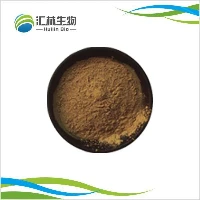


If you have been paying attention to the world of nutritional supplements, you have likely heard about vitamin K2. But not all vitamin K2 is created equal. Among the various forms, one stands head and shoulders above the rest: menaquinone-7 - better known as MK-7 or vitamin K2-7.
Unlike vitamin K1 (phylloquinone), which is primarily involved in blood clotting, vitamin K2 plays a crucial role in directing calcium to the right places-your bones and teeth-while keeping it away from where it doesn't belong, like your arteries and soft tissues. And when it comes to vitamin K2, MK-7 is the most potent, longest-lasting, and most bioavailable form available.
This guide covers everything you need to know about menaquinone-7: its health benefits, recommended dosage, potential side effects, and why menaquinone-7 supplements are gaining popularity among health-conscious individuals worldwide.
What Is Menaquinone-7 (MK-7)?
Menaquinone-7 - often referred to as vitamin K2, menaquinone MK-7, vitamin K2 MK-7 menaquinone, or simply MK-7 - is a subtype of vitamin K2 characterized by a side chain of seven isoprene units. It is the most potent and bioavailable form of vitamin K2, with an extraordinarily long half-life in the circulatory system.

Where does MK-7 come from?

The richest natural source of menaquinone-7 is natto - a traditional fermented soybean dish from Japan. During the fermentation process, Bacillus subtilis (natto) bacteria produce large amounts of MK-7. This is why you will often see menaquinone-7 from natto highlighted on supplement labels. Today, high-quality menaquinone-7 is produced through controlled fermentation, ensuring purity and consistency.
MK-7 vs. other vitamin K forms
What makes MK-7 so special? The answer lies in its pharmacokinetics. Unlike MK-4 (another form of vitamin K2), which has a serum half-life of only about 1.5 hours, MK-7 boasts a half-life of approximately 72 hours - a 48-fold difference that means MK-7 maintains steady, therapeutic levels in your blood with just a single daily dose.
But the advantages of MK-7 go far beyond just half-life. Here is a comprehensive comparison of MK-7 against other vitamin K forms:
| Comparison Aspect | Menaquinone-7 (MK-7) | Menaquinone-4 (MK-4) | Vitamin K1 (Phylloquinone) |
|---|---|---|---|
| Chemical structure | Long-chain (7 isoprene units) | Short-chain (4 isoprene units) | Single ring with phytol side chain |
| Serum half-life | ~72 hours | ~1.5 hours | ~1-2 hours |
| Relative half-life | 48x longer than MK-4 | Reference (1x) | ~1-2 hours |
| Bioavailability | Highest | Moderate | Low to moderate |
| Daily dosing frequency | Once daily | 2-3 times daily | Once daily (dietary) |
| Predominant form in serum | Intact MK-7 | Not intact (rapidly converted to menadione then recycled) | Phylloquinone (short-lived) |
| Time to peak plasma concentration | ~6-8 hours | ~2-4 hours | ~4-6 hours |
| Primary natural sources | Natto (fermented soybeans), fermented foods | Animal products (meat, eggs, dairy), synthesized from menadione | Leafy green vegetables (spinach, kale, broccoli) |
| Gastrointestinal absorption | High, enhanced by dietary fat | Moderate, also enhanced by fat | Low, highly dependent on fat content |
| Tissue distribution | Wide distribution; high affinity for bone, vascular tissue, and liver | Rapidly cleared from circulation; transient tissue presence | Primarily liver; limited extrahepatic distribution |
| Maintained active form in tissues | Yes (MK-7 itself is the active form) | No (must be converted from menadione) | No (rapidly metabolized and excreted) |
| Primary target tissues | Bone, arterial wall, liver, skin | Bone, brain, testis, pancreas (via menadione conversion) | Liver (for clotting factors) |
| Relative efficacy for bone health | High (demonstrated in multiple RCTs) | Moderate (limited human data) | Low (requires conversion) |
| Relative efficacy for vascular health | High (clinically proven to reduce arterial stiffness) | Limited (few human studies) | Minimal effect on extrahepatic tissues |
| Role in coagulation | Supports coagulation (but does not disrupt it at normal doses) | Supports coagulation | Primary K vitamers for coagulation in liver |
| USP monograph available | Yes (USP 38-NF33) | Yes (limited) | Yes |
| Drug interactions (warfarin) | Interferes with warfarin (consult your doctor) | Interferes with warfarin (consult your doctor) | Interferes with warfarin (consult your doctor) |
| Typical supplemental dose | 45–375 µg/day | 15–45 mg/day (note: ~100x higher mg dose) | Not typically supplemented (dietary) |
| Safety profile | Excellent; no serious side effects at up to 462 µg/day | Safe; high doses (>45 mg/day) may be associated with potential concerns in some studies | Safe at dietary levels; no established upper limit |
What does this comparison tell us?
The data clearly shows that MK-7 stands out from other vitamin K forms in several key ways:
- Superior half-life and bioavailability - With a 72-hour half-life (48 times longer than MK-4), MK-7 maintains consistent, therapeutic blood levels with a single daily dose, making it more practical and effective for long-term supplementation.
- Wider tissue distribution - Unlike MK-4, which is rapidly cleared from circulation, MK-7 reaches and remains active in bone, arterial walls, and other extrahepatic tissues where it is needed most.
- Clinically proven efficacy - MK-7 is the only form of vitamin K2 with large-scale, long-term human clinical trials demonstrating improvements in both bone health (reduced fracture risk) and cardiovascular health (improved arterial stiffness).
- Lower dose requirement - MK-7 requires only 45–375 µg/day, whereas MK-4 is often supplemented at 15–45 mg/day (over 100 times the higher dose) to achieve comparable effects due to its rapid clearance.
The bottom line: While all vitamin K forms have their place, MK-7 is the most practical, bioavailable, and scientifically supported form for supporting long-term bone and cardiovascular health - which is why it is the preferred form in high-quality supplements worldwide.
Health Benefits of Menaquinone-7
The scientific literature on menaquinone-7 has grown substantially over the past decade. According to a comprehensive 2022 review published in Frontiers in Pharmacology, vitamin K2-7 has demonstrated health-beneficial effects in osteoporosis, cardiovascular disease, inflammation, cancer, Alzheimer's disease, diabetes, and peripheral neuropathy.
Here is what the research says:
1. Bone Health: Directing Calcium to Your Bones
One of the most well-established benefits of MK-7 is its role in bone health. Vitamin K2 acts as a cofactor for the enzyme that converts undercarboxylated osteocalcin (ucOC) into its active, carboxylated form (cOC). Osteocalcin is a protein that binds calcium to your bone matrix. Without sufficient vitamin K2, osteocalcin remains inactive, and calcium cannot be properly incorporated into bone tissue.
Menaquinone-7 also upregulates osteoprotegerin, a decoy receptor for RANK ligand (RANKL), thereby inhibiting bone resorption. In plain English: MK-7 not only helps build bone but also slows down bone breakdown. Clinical studies have unequivocally demonstrated the utility of vitamin K2-7 supplementation in reducing bone fracture risk.

2. Cardiovascular Health: Protecting Your Arteries

Perhaps even more impressive is MK-7's role in cardiovascular health. It activates matrix Gla protein (MGP), a potent inhibitor of vascular calcification. When MGP is carboxylated (activated) by vitamin K2, it prevents calcium from depositing in your artery walls - a process that leads to stiff, hardened arteries and increased cardiovascular risk.
A 3-year double-blind, randomized clinical trial in 244 healthy postmenopausal women found that MK-7 supplementation (180 µg/day) significantly improved arterial stiffness, particularly in women with higher baseline stiffness. The study concluded that "long-term use of MK-7 supplements improves arterial stiffness in healthy postmenopausal women".
Menaquinone-7 supplementation has also been shown to significantly reduce levels of desphospho-uncarboxylated matrix Gla protein (dp-ucMGP), a biomarker of vitamin K status and cardiovascular risk.
3. Skin Health: Collagen Support
Emerging research suggests that menaquinone-7 may also benefit skin health. A skin collagen-enhancing agent containing menaquinone-7 as an active ingredient has been shown to increase skin collagen levels statistically significantly. MK-7 has also been associated with antioxidant, skin-lightening, pigmentation-reducing, anti-inflammatory, and collagen-production-promoting effects. This is why menaquinone-7 for skin is becoming an increasingly popular ingredient in advanced skincare formulations, including vitamin K creams.

4. Metabolic and Weight Management

A 3-year intervention study in 214 postmenopausal women found that while MK-7 had no significant effect on body composition in the overall cohort, "good responders" - those who showed a strong increase in carboxylated osteocalcin - experienced significant reductions in abdominal fat mass and visceral adipose tissue. The study concluded that high vitamin K2 intake may support reducing body weight, abdominal fat, and visceral fat.
5. Other Emerging Benefits
Clinical studies have also demonstrated the utility of vitamin K2-7 supplementation in ameliorating peripheral neuropathy, and researchers are actively investigating its potential roles in diabetes, Alzheimer's disease, inflammation, and cancer. The mechanistic basis for these effects is mediated through various signal transduction pathways, including PI3K/AKT, MAP Kinase, JAK/STAT, and NF-κB. K2-7 is also responsible for the suppression of proinflammatory mediators such as IL-1α, IL-1β, and TNF-α.
Safety and Side Effects
Is menaquinone-7 safe? The short answer is yes - with an excellent safety record.
In November 2025, the CRN Foundation released an updated safety assessment for vitamin K2 (menaquinone-7) , reviewing more than 40 human clinical trials conducted over the past decade. These studies evaluated doses ranging from 58 to 462 µg/day for periods up to two years. Across these trials, no serious adverse effects related to MK-7 were observed.
The CRN established a supplemental Highest Observed Intake (HOI) level of 375 µg/day for adults. Importantly, research consistently demonstrated no clinically meaningful impact on coagulation parameters in individuals not taking vitamin K antagonist medications such as warfarin.
Important caution: This safety assessment does not apply to individuals using vitamin K antagonist (VKA) anticoagulants like warfarin. Menaquinone-7 can interfere with these medications by counteracting their blood-thinning effects. If you are taking warfarin or any other blood-thinning medication, consult your healthcare provider before taking any menaquinone-7 supplement.
For most healthy individuals, menaquinone-7 is exceptionally safe and well-tolerated, with no significant side effects reported at recommended doses.
Recommended Dosage
The optimal menaquinone-7 dosage depends on your health goals. Here are general guidelines:
- General wellness and maintenance: 45–100 µg/day
- Bone and cardiovascular support: 180 µg/day - this is the dose used in major clinical trials
- Higher support: Up to 375 µg/day (the CRN's established HOI level for adults)
Most clinical studies have used doses between 90 and 360 µg/day, consistently demonstrating improvements in vitamin K status biomarkers.
When to take it: Menaquinone-7 is fat-soluble, so it is best absorbed when taken with a meal containing dietary fat.
How long to take it: The benefits of MK-7 accumulate over time. Clinical trials have shown significant improvements after 3 years of continuous supplementation.
Frequently Asked Questions (FAQ)
Q: What is menaquinone-7?
A: Menaquinone-7 (MK-7) is the most bioavailable and potent form of vitamin K2, with a long half-life of approximately 72 hours in the body.
Q: What is menaquinone-7 vitamin K2 used for?
A: Vitamin K2 as menaquinone-7 supports bone health by directing calcium to bones, cardiovascular health by preventing arterial calcification, and emerging research suggests benefits for skin, metabolism, and more.
Q: Is menaquinone-7 safe?
A: Yes. A CRN safety analysis of over 40 human clinical trials found no serious adverse effects at doses up to 462 µg/day.
Q: Can I take menaquinone-7 with vitamin D3?
A: Yes. In fact, vitamin D3 and menaquinone-7 are often combined because they work synergistically - vitamin D3 helps your body absorb calcium, and MK-7 ensures that calcium is directed to your bones rather than your arteries.
Q: What is the difference between menaquinone-7 and MK-4?
A: MK-7 has a much longer half-life (72 hours vs. 1.5 hours for MK-4), meaning it stays active in your body much longer and requires less frequent dosing.
Q: Where does menaquinone-7 come from?
A: The richest natural source is natto (fermented soybeans). High-quality menaquinone-7 supplements are produced through controlled fermentation using Bacillus subtilis.
Q: Is there a USP monograph for menaquinone-7?
A: Yes. The first Official Compendia Monograph of Dietary Supplement for Vitamin K2 as Menaquinone-7 (MK-7) was published in USP 38-NF33 First Supplement, effective from August 1, 2015. This establishes high-quality standards for menaquinone-7 ingredients.
Q: Can menaquinone-7 help with skin?
A: Yes. Menaquinone-7 has been shown to increase skin collagen, with antioxidant, skin-brightening, and anti-inflammatory effects.
Q: What is the recommended menaquinone-7 dosage?
A: General wellness: 45–100 µg/day. Bone and cardiovascular support: 180 µg/day. The CRN established a Highest Observed Intake of 375 µg/day for adults.
Q: Can I take menaquinone-7 if I am on blood thinners?
A: If you are taking vitamin K antagonist anticoagulants like warfarin, consult your healthcare provider before using any menaquinone-7 supplement.
Q: Are there any menaquinone-7 side effects?
A: No serious side effects have been reported in clinical trials at doses up to 462 µg/day.
Q: What is the menaquinone-7 USP monograph?
A: The USP monograph is the official quality standard for menaquinone-7 in dietary supplements, ensuring purity, potency, and consistency.
Why Choose High-Quality Menaquinone-7?
When sourcing menaquinone-7 for your product line or personal use, quality matters. The USP monograph for menaquinone-7 establishes rigorous quality standards, including specifications for isomeric purity (cis-MK-7 ≤ 1.2 area%). High-quality menaquinone-7 is produced through natural fermentation, ensuring a clean, solvent-free ingredient.
Vitamin K2 (MK-7) powder offers formulators and manufacturers a versatile, stable ingredient for:
- Dietary supplements (capsules, tablets, softgels)
- Functional foods and beverages
- Skincare formulations (vitamin K cream with menaquinone-7)
- Combination products with vitamin D3
The Bottom Line
Menaquinone-7 (vitamin K2-7) is the most bioavailable and longest-lasting form of vitamin K2, with a remarkable 72-hour half-life that sets it apart from other K vitamers. A growing body of clinical evidence supports its role in bone health, cardiovascular protection, skin health, and metabolic function.
With an excellent safety profile confirmed by over 40 human clinical trials and a USP monograph establishing quality standards, menaquinone-7 is one of the most thoroughly studied and trusted supplements available today.
Whether you are a formulator developing the next generation of bone health products, a brand owner looking to expand your cardiovascular support line, or an individual seeking to optimize your health, high-quality Vitamin K2 (MK-7) Powder (Menaquinone-7) offers a science-backed solution with proven benefits.
References
This article is for informational purposes only. It does not constitute medical advice, professional formulation guidance, or commercial recommendations. Always consult your healthcare provider before starting any new supplement, especially if you are taking anticoagulant medications.