





If you have ever bitten into a ripe strawberry and wondered what gives it that unmistakable sweet, candy-like aroma, chances are you have experienced Furaneol without even knowing it. Also known as strawberry furanone or 4-Hydroxy-2,5-dimethyl-3(2H)-furanone, this fascinating compound is one of the most important flavor molecules in the food and fragrance industries.
Furaneol is a naturally occurring compound found in strawberries, pineapples, mangoes, raspberries, and even in heat-processed foods like coffee, roasted almonds, and bread crust. Its sweet, caramel-like, and fruity aroma makes it a favorite among flavorists and perfumers. But what exactly is Furaneol used for? Is it safe? And what should you know before using it?
This guide covers everything you need to know about Furaneol powder, also known as strawberry furanone-its uses, benefits, safety, and side effects.
What Is Furaneol?
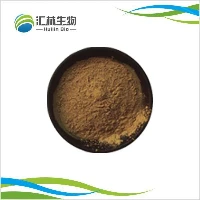
Furaneol (CAS 3658-77-3) is a white to light yellow crystalline powder with a molecular formula of C₆H₈O₃. It has a melting point of 73-77°C and is slightly soluble in water but easily soluble in ethanol.
What makes Furaneol truly special is its exceptionally low odor detection threshold. It can be detected at concentrations as low as 0.04 parts per billion (ppb) in air, which means even the tiniest amount can have a massive impact on aroma. In fruits like strawberries, Furaneol is considered a "character impact compound," meaning it is largely responsible for the fruit's signature smell.

What Are the Main Uses of Furaneol?

1. Food and Beverage Flavoring
The primary use of Furaneol is as a flavoring agent in the food and beverage industry. It imparts sweet, caramel, strawberry, and tropical fruit notes to a wide range of products.
Key food applications include:
- Beverages – soft drinks, fruit juices, and alcoholic beverages (used at 0.54–0.75 ppm in alcoholic drinks and 5.00–80.00 ppm in non-alcoholic drinks)
- Confectionery – candies, chewing gum, and hard sweets
- Baked goods – cakes, cookies, and pastries
- Dairy products – yogurts, ice creams, and puddings
- Jams, jellies, and fruit spreads
- Seasonings and sauces
Furaneol is also used in tobacco products to enhance the sensory experience and mask harsh notes.
2. Fragrance and Perfumery
In the fragrance industry, Furaneol is valued for its sweet, caramel-like, and jammy fruity aroma. It adds warmth and gourmand notes to perfumes, colognes, and air fresheners. High-quality Furaneol powder allows perfumers to incorporate its unique scent with precision and confidence.
3. Cosmetics and Personal Care
Furaneol is also used in cosmetic formulations for its pleasant scent. It can be found in lotions, creams, soaps, and shampoos, where it adds a sweet, fruity note to the overall fragrance profile.
4. Emerging Applications
Recent research has explored Furaneol's antimicrobial properties, making it a subject of interest in food safety and preservation research. It has also been studied for potential antioxidant properties.
What Does the Science Say About Furaneol?
Sensory and Olfactory Research
A 2026 study published in Food Chemistry found that Furaneol is more pleasant than its structural isomer sotolone and has a tenfold lower detection threshold. The study also discovered that Furaneol uniquely activates the olfactory receptor OR5M3, enhancing frontal theta brain waves associated with cognitive engagement. This means Furaneol doesn't just smell good-it actually uniquely engages your brain.
Market Growth
According to a 2025 market report, the global Furaneol market is estimated to be valued between $6–12 million USD and is projected to grow at a steady rate of 2.7% to 3.7% annually through 2030. The food and beverage segment accounts for the majority of demand, with growth rates of 3.0–4.0% annually, driven by consumer demand for premium and exotic flavor profiles.

Is Furaneol Safe? Side Effects and Safety Profile
Regulatory Status
Furaneol is generally recognized as safe (GRAS) when used as a flavoring agent in food products. It has been evaluated by the Joint FAO/WHO Expert Committee on Food Additives (JECFA), which concluded that there is "no safety concern at current levels of intake". It is also listed as FEMA No. 3174 and COE No. 536.
Potential Side Effects and Toxicity
While Furaneol is safe at normal consumption levels, some studies have raised concerns about higher doses:
- Animal studies have shown adverse effects at very high doses (400 mg/kg body weight per day), including lower body weights and an increased incidence of pituitary adenomas in rats
- Furaneol has been reported to be mutagenic in certain laboratory strains, generating superoxide and hydrogen peroxide that can lead to metal-dependent DNA damage
- As a concentrated chemical, Furaneol can cause skin and eye irritation and may produce allergic skin reactions in some individuals
It is important to note that these toxicity findings are based on animal studies at extremely high doses-far above what any human would consume from food or even supplements. At the levels used in food and fragrance applications, Furaneol is considered safe.
Handling Precautions
For industrial and research use, proper handling is recommended:
- Avoid inhalation, ingestion, and skin/eye contact
- Use appropriate personal protective equipment (gloves, goggles)
- Store in a cool, dry place away from light (Furaneol is light-sensitive and temperature-sensitive)
Furaneol vs. Sotolone Compounds
| Feature | Furaneol (Strawberry Furanone) | Sotolone |
|---|---|---|
| Aroma | Sweet, fruity, strawberry-like caramel | Sweet, burnt, fenugreek-like |
| Odor threshold | 10x lower (more potent) | Higher |
| Olfactory receptor | OR5M3 | OR8D1 |
| Brain response | Enhances frontal theta power | No unique theta enhancement |
Frequently Asked Questions (FAQ)
Q: Is Furaneol natural or synthetic?
A: Furaneol occurs naturally in many fruits (strawberries, pineapples, mangoes, raspberries) and in heat-processed foods like coffee and bread crust. It can also be produced synthetically for commercial use.
Q: What does Furaneol smell like?
A: Furaneol has a sweet, caramel-like aroma often associated with ripe strawberries, pineapple, and cotton candy.
Q: Is Furaneol safe to eat?
A: Yes. JECFA has concluded there is "no safety concern at current levels of intake" when used as a flavoring agent.
Q: What is Furaneol powder used for?
A: It is primarily used as a flavoring agent in food and beverages, as a fragrance ingredient in perfumes and cosmetics, and in tobacco products.
Q: Does Furaneol have any health benefits?
A: Some studies have explored its potential antioxidant properties, but more research is needed.
Q: Can Furaneol cause allergic reactions?
A: As a concentrated chemical, Furaneol may cause allergic skin reactions in some individuals. At normal food-use levels, it is generally well-tolerated.
The Bottom Line
Furaneol (strawberry furanone) is one of the most important flavor compounds in the food and fragrance industries. Its sweet, fruity, caramel-like aroma and exceptionally low odor threshold make it a powerful tool for creating realistic fruit flavors and warm, gourmand fragrances.
For formulators, flavorists, and product developers, high-quality Furaneol powder (also known as strawberry furanone) offers a versatile, potent, and reliable ingredient for creating authentic fruit flavors, sweet caramel notes, and complex fragrance profiles. Whether you are developing a new beverage, a premium confectionery product, or a signature perfume, Furaneol delivers the sensory impact that keeps consumers coming back for more.
References
[1] "Furaneol." ScienceDirect Topics.
[3] "Furaneol Global Market Insights 2025, Analysis and Forecast to 2030." Prof Research, July 2025.