




What is Resveratrol?
Resveratrol is a natural compound produced by plants like grapes, blueberries, raspberries, peanuts, and Japanese knotweed as part of their defense system against stress, infections, or environmental damage. You'll find it most concentrated in grape skins and, consequently, in red wine-earning it the nickname "red wine extract."
Structurally, it's classified as a polyphenol and stilbenoid (C₁₄H₁₂O₃), with its active form, trans-resveratrol, being the focus of scientific interest. Lab studies suggest it has antioxidant and anti-inflammatory properties, potentially supporting heart health by improving cholesterol balance and reducing oxidative stress. Early research also explores its role in metabolic health and disease prevention, though these findings are primarily from cells or animal models.
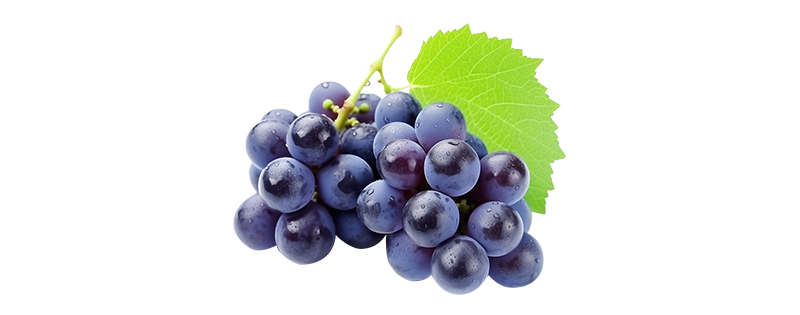
Grape seed extract (GSE) is a natural supplement derived from the seeds of grapes, rich in potent antioxidants like resveratrol, quercetin, and proanthocyanidins. Resveratrol, a key bioactive compound in GSE, is synthesized directly from grape seeds and stems rather than grapes or red wine, making it a unique, alcohol-free option. Standardized extracts ensure consistent resveratrol levels for reliable benefits.
Known for its exceptional antioxidant properties, resveratrol in GSE helps neutralize free radicals and supports overall wellness. Studies and institutions like the University of Maryland Medical Center highlight its potential role in promoting cardiovascular health, managing inflammation, and aiding metabolic balance. While research continues to explore its full scope, GSE remains a popular, science-backed choice for those seeking antioxidant-rich natural support.

Red wine extract is a concentrated supplement derived from red wine, primarily valued for its high levels of resveratrol-a potent antioxidant naturally produced in grape skins, seeds, and stems during fermentation. Unlike consuming wine itself, red wine extract is processed to remove alcohol, offering a toxin-free way to harness its bioactive compounds. Resveratrol, the star component, is synthesized by grapes as a protective response to stress, and its production peaks during the winemaking process. This makes red wine extract one of the richest natural sources of resveratrol, alongside other beneficial polyphenols and anthocyanins.
Available in capsules or tablets, red wine extract provides a consistent, alcohol-free dose of resveratrol. While preliminary research highlights its potential role in supporting wellness, further studies are ongoing to fully understand its scope. For now, it's celebrated as a convenient way to access the antioxidant power of red wine-without the downsides of alcohol.
Grape Seed Extract or Red Wine Extract?
Both grape seed extract and red wine extract offer valuable health benefits due to their resveratrol content, but they cater to slightly different needs. Grape seed extract provides a standardized, higher dose of resveratrol and boasts superior antioxidant capacity, making it ideal for targeted support in cardiovascular health, inflammation reduction, and metabolic balance. Red wine extract, while lower in resveratrol per serving, delivers a broader spectrum of polyphenols from fermented grape skins and flesh, with emerging lab-based evidence suggesting unique anti-cancer potential (e.g., inhibiting breast cancer cell growth). For those prioritizing potent, consistent antioxidant effects, grape seed extract shines; if holistic antioxidant synergy or exploratory anti-cancer support is the goal, red wine extract holds merit. Ultimately, the choice hinges on individual health objectives and the quality of supplementation.

Shared Health Benefits of Grape Seed Extract & Red Wine Extract
1.Powerful Antioxidant Defense
Both extracts combat oxidative stress by neutralizing harmful free radicals, thanks to their high resveratrol content. Resveratrol activates cellular defense pathways like Nrf2, boosting the body's natural antioxidant capacity to protect cells, tissues, and organs from damage linked to aging and chronic diseases.
2. Cardiovascular Health Support
They work synergistically to improve heart health by reducing LDL cholesterol oxidation (a key driver of plaque buildup), lowering blood pressure, and dampening inflammation in blood vessels. These effects collectively support healthy circulation and reduce risks associated with heart disease.
3. Anti-Inflammatory Action
Both extracts inhibit pro-inflammatory molecules like TNF-α and IL-6, helping to alleviate chronic inflammation-a root cause of metabolic disorders (e.g., diabetes, obesity) and age-related conditions. This makes them valuable allies for maintaining systemic balance and resilience.
4. Potential Cancer Risk Reduction
Laboratory studies highlight their ability to suppress cancer cell growth (e.g., breast, colorectal cancers) by triggering apoptosis (cell death) and blocking tumor angiogenesis (blood vessel formation). While promising, further human trials are needed to confirm these effects.
5. Metabolic Health Enhancement
Both may improve insulin sensitivity and glucose metabolism, supporting healthier blood sugar levels. Preliminary evidence also suggests a role in weight management, though more research is required to fully validate these metabolic benefits.
6. Skin Protection & Anti-Aging
Resveratrol in both extracts shields skin from UV-induced damage, promotes collagen synthesis for elasticity, and delays cellular senescence (aging). This dual action helps maintain a youthful complexion and protects against environmental stressors.